

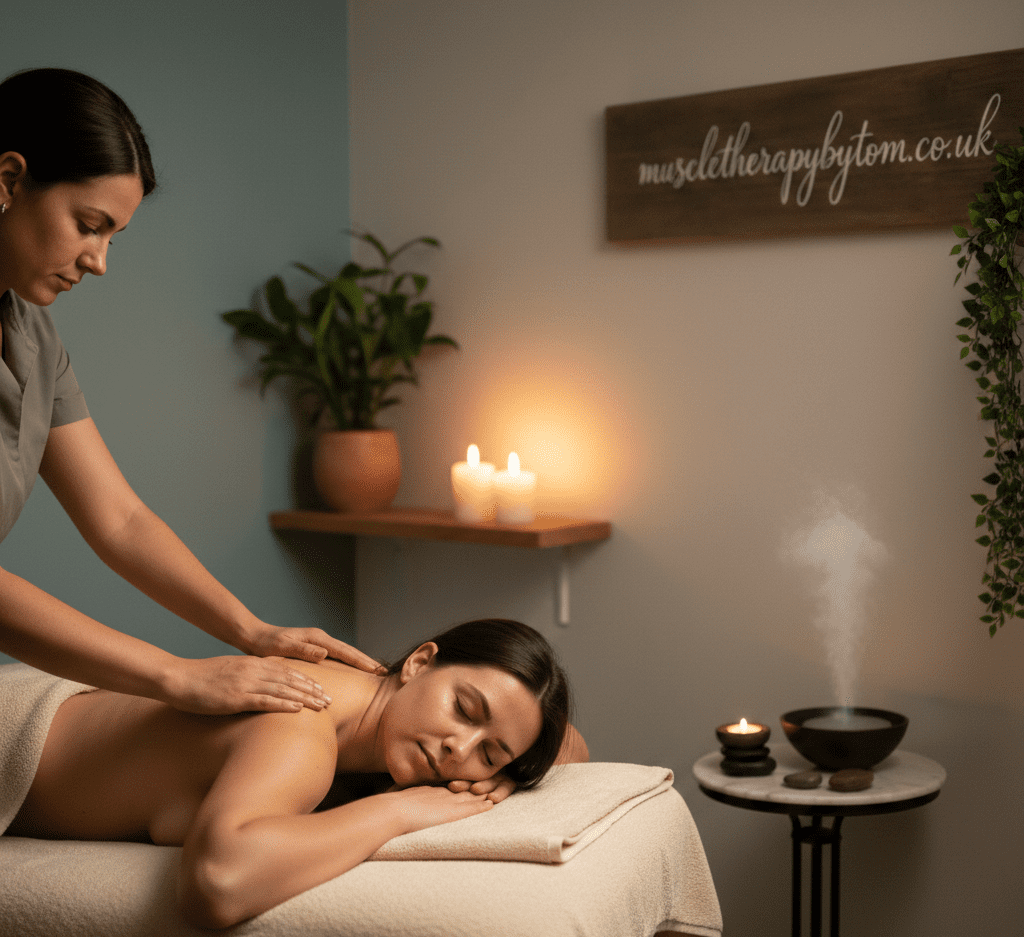
Touch plays a fundamental role in human well-being, influencing emotions and stress levels through biological pathways. Relaxation massage therapy harnesses this power to effectively lower anxiety.
The Science Behind Touch and the Brain
Human skin contains specialized C-tactile afferents that respond to gentle, stroking touch, signaling comfort to the brain. This affective touch activates brain regions like the insula and orbitofrontal cortex, promoting feelings of safety and reducing threat perception. Studies show it shifts the body from sympathetic “fight-or-flight” dominance to parasympathetic “rest-and-digest” mode.
During relaxation massage, rhythmic strokes mimic natural social touch, triggering these sensors optimally at skin-temperature speeds of 3-10 cm/s. This process buffers emotional distress by decelerating heart rate and enhancing vagal tone, as seen in experiments where touch countered arousal from sad stimuli.
Hormonal Changes from Massage Therapy
Massage significantly lowers cortisol, the primary stress hormone, while boosting oxytocin, serotonin, and dopamine. In one study, daily 30-minute massages over five days reduced saliva cortisol in anxious adolescents and increased “feel-good” hormones. Oxytocin release from touch fosters bonding and calms the HPA axis, preventing chronic stress escalation.
Relaxation massage also elevates serotonin for mood stability and dopamine for pleasure, countering anxiety’s drain on these neurotransmitters. Longitudinal data links frequent affectionate touch to diurnal cortisol declines and higher oxytocin during stress.
Neurological Pathways in Anxiety Reduction
Anxiety often stems from amygdala hyperactivity, amplifying perceived threats. Touch interventions dampen this by enhancing prefrontal cortex regulation. Meta-analyses of 137 studies confirm touch excels at alleviating anxiety, depression, and pain across ages.
In generalized anxiety disorder trials, 10 weekly massage sessions yielded Hamilton Anxiety Rating Scale drops superior to thermotherapy or relaxation alone. fMRI evidence reveals touch modulates autonomic responses, reducing sympathetic activity and promoting HRV improvements.
Signs You Need Relaxation Massage for Anxiety
Persistent muscle tension signals stress buildup, as chronic anxiety tightens shoulders and neck. Frequent headaches or insomnia often link to elevated cortisol from unaddressed worry.
Constant fatigue despite rest indicates toxin accumulation and poor circulation, which massage restores. Irritability or overwhelm? These emotional drains respond well to massages activating parasympathetic calm.
Benefits Beyond Anxiety Relief
Regular sessions improve sleep by regulating melatonin and reducing nighttime cortisol. Enhanced circulation oxygenates tissues, combating fatigue and boosting energy.
Mental clarity sharpens as massage fosters mindfulness, shifting focus from rumination. Long-term, it builds resilience against daily stressors, supporting overall emotional health.
Practical Techniques in Relaxation Massage
Swedish massage, with long gliding strokes (effleurage) and kneading (petrissage), optimizes C-tactile activation. Sessions last 60-90 minutes, using oils for frictionless flow at 1-2 kg pressure.
Focus areas include back, neck, and scalp—head touch yields outsized benefits. Pair with deep breathing for amplified effects, as instructed in professional settings.
Integrating Massage into Daily Life
Start with weekly sessions; frequency amplifies gains for adults. Self-massage tools like foam rollers mimic effects modestly, but professional touch outperforms.
Combine with lifestyle tweaks: hydration post-session flushes toxins, while journaling captures mood shifts.
Evidence from Clinical Studies
A 2024 meta-analysis affirmed touch’s edge over objects for mental health, especially in unwell individuals. Pediatric studies showed massaged children less anxious with lower norepinephrine.
Couples’ touch with oxytocin nasal spray further curbed cortisol ecologically. These validate relaxation massage as evidence-based anxiety therapy.
Potential Limitations and Considerations
Effects vary by touch quality; gentle caressing trumps firm pressure for affective benefits. Those with touch aversion or trauma may need gradual exposure.
Consult professionals for contraindications like acute inflammation.
FAQs
What makes touch psychologically calming?
Touch via C-tactile fibers signals safety, reducing amygdala-driven anxiety.
How quickly does massage lower anxiety?
Benefits emerge post-session via cortisol drops; cumulative over weeks.
Can relaxation massage help chronic anxiety?
Yes, trials show sustained Hamilton scale reductions.
What’s the difference from deep tissue massage?
Relaxation prioritizes gentle strokes for emotional calm, not muscle knots.
Is massage safe for everyone?
Generally yes, but check with therapists for skin conditions or pregnancy.
How does oxytocin factor in?
Touch boosts it, curbing stress hormones and enhancing well-being.
Does self-massage work similarly?
Partially, but human-delivered touch yields stronger hormonal shifts.
Frequency for optimal anxiety relief?
2-3 times monthly for maintenance; more during high stress.
Book Relaxation Massage Therapy at Muscles Therapy by Tom.