

In recent years, assisted stretching has moved from a niche recovery technique used by elite athletes to a mainstream wellness practice embraced by people of all ages and fitness levels. While stretching itself is nothing new, assisted stretching goes far beyond the traditional reach-and-hold routine most people learned in gym class. It blends science, personalized care, and therapeutic techniques to improve how the body moves, feels, and performs.
But what exactly makes assisted stretching different — and why do many people say it delivers benefits that regular stretching simply can’t match?
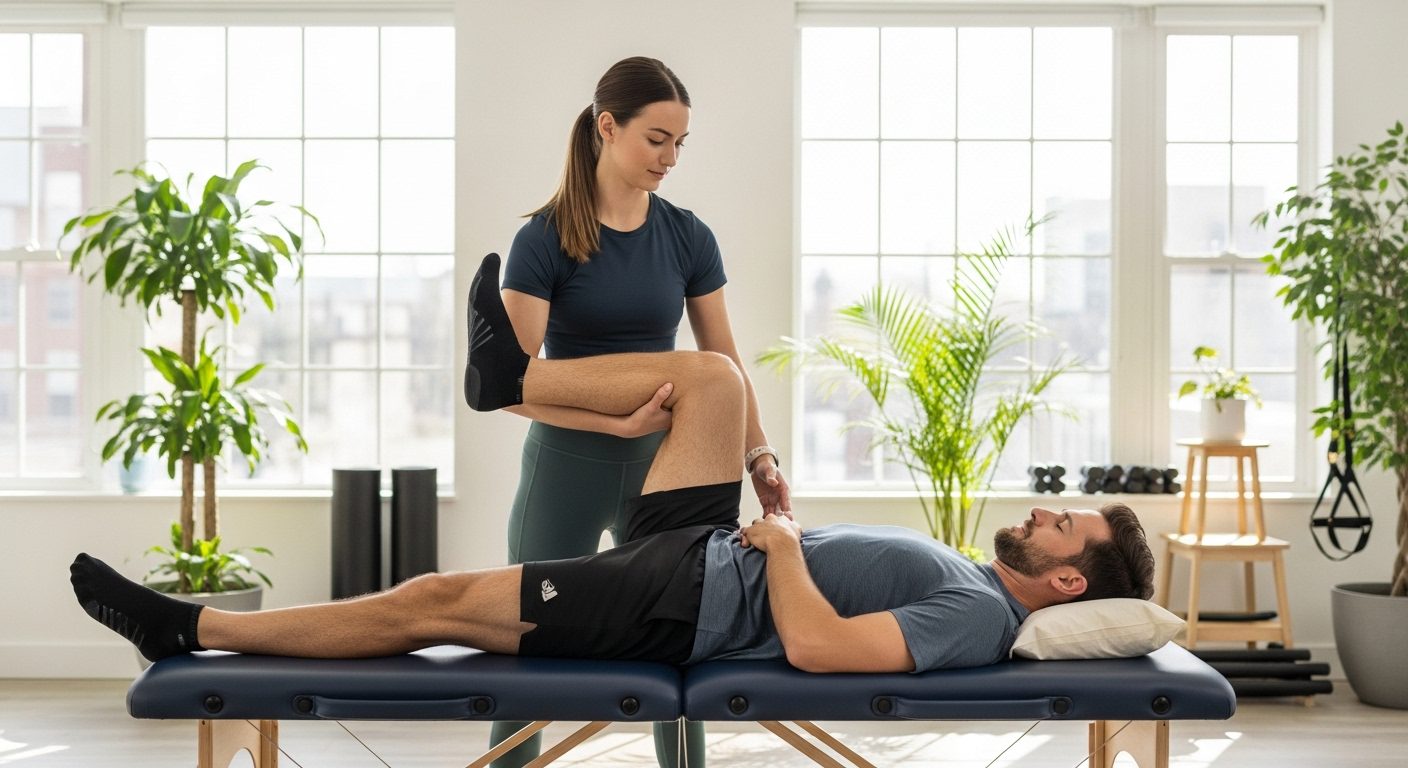
What Is Assisted Stretching?
Assisted stretching is a guided flexibility technique where a trained practitioner helps move your body through specific stretches while you remain relaxed. Instead of actively stretching your own muscles, you allow someone else to gently position and support your body to achieve deeper, safer, and more effective stretches.
This approach is often described as passive stretching because your muscles aren’t doing the work — the practitioner is guiding the movement while monitoring your comfort and range of motion.
Sessions typically involve:
Controlled movements
Gentle pressure and stabilization
Targeted muscle isolation
Breathing coordination
Gradual increase in range of motion
The goal isn’t just flexibility — it’s improving overall mobility, reducing tension, and enhancing how your body functions in daily life.
How Assisted Stretching Works
To understand why assisted stretching is more than just stretching, it helps to look at the science behind it.
1. Neuromuscular Relaxation
Your muscles have built-in protective mechanisms that prevent overstretching. When you stretch yourself, your body may resist going deeper because it senses potential strain.
A trained practitioner can help your nervous system relax by applying slow, controlled movements, allowing muscles to release safely without triggering resistance.
2. Better Muscle Isolation
When you stretch alone, it’s easy to compensate with other muscles. Assisted stretching allows precise targeting of specific muscle groups, ensuring the intended areas actually receive the stretch.
3. Increased Range of Motion
Because the practitioner can guide your body beyond your active range (safely), assisted stretching often produces faster improvements in flexibility compared to self-stretching.
4. Improved Joint Mobility
Stretching isn’t just about muscles. Assisted techniques also focus on joint capsules, connective tissue, and fascia, improving overall movement quality.
Key Benefits of Assisted Stretching
Improved Flexibility
One of the most obvious benefits is increased flexibility. Over time, assisted stretching can lengthen muscles and reduce stiffness, making everyday movements easier and more comfortable.
Better Posture
Many people spend hours sitting, leading to tight hip flexors, rounded shoulders, and lower back tension. Assisted stretching helps restore muscle balance, which supports healthier posture.
Reduced Muscle Tension
Chronic tightness often results from stress, repetitive movement, or inactivity. Assisted stretching helps release deep tension that can be difficult to address alone.
Enhanced Athletic Performance
Athletes use assisted stretching to improve mobility, which can lead to better movement efficiency, reduced injury risk, and improved performance.
Faster Recovery
Stretching increases blood flow to muscles, helping deliver oxygen and nutrients that support recovery after workouts or physical strain.
Pain Relief
People with mild musculoskeletal discomfort often find relief as stretching reduces pressure on joints and improves muscle balance.
Stress Reduction
Because sessions are relaxing and involve guided breathing, assisted stretching can calm the nervous system and reduce mental stress.
Assisted Stretching vs Traditional Stretching
While both approaches aim to improve flexibility, they differ significantly in effectiveness and experience.
Control and Precision
Traditional stretching relies on your own awareness of body position. Assisted stretching uses expert guidance to ensure proper alignment and technique.
Depth of Stretch
It’s difficult to achieve deeper stretches safely on your own. With assistance, you can reach new ranges of motion without strain.
Relaxation Level
Self-stretching requires effort. Assisted stretching allows full relaxation, which helps muscles release more effectively.
Personalization
Sessions are tailored to your body’s needs, focusing on tight areas and imbalances.
Who Can Benefit from Assisted Stretching?
One of the reasons assisted stretching is gaining popularity is its versatility. It’s not just for athletes — it’s beneficial for almost everyone.
Office Workers
Long hours of sitting can cause tight hips, neck stiffness, and back pain. Assisted stretching helps counteract these effects.
Fitness Enthusiasts
Regular exercisers use assisted stretching to improve recovery and prevent injuries.
Older Adults
Maintaining mobility becomes increasingly important with age. Assisted stretching supports joint health and movement confidence.
People With Limited Mobility
Those recovering from injuries or dealing with stiffness can benefit from gentle guided movement.
Busy Professionals
Because sessions are relaxing, they offer both physical and mental rejuvenation.
The Mental and Emotional Benefits
While the physical benefits are well known, assisted stretching also supports mental well-being.
Deep Relaxation
Being guided through slow movements encourages the body to shift into a relaxed state, similar to meditation.
Mind-Body Awareness
You become more aware of tight areas and movement patterns, helping you understand your body better.
Reduced Stress Hormones
Relaxation techniques can lower cortisol levels, helping reduce feelings of stress and tension.
What to Expect During a Session
If you’ve never tried assisted stretching, knowing what happens during a session can help you feel more comfortable.
Initial Assessment
The practitioner may ask about your lifestyle, activity level, injuries, and goals.
Guided Stretch Routine
You’ll lie on a table or mat while the practitioner moves your limbs through various stretches.
Communication
You’ll be asked to communicate comfort levels to ensure stretches remain gentle and safe.
Relaxation Period
Many sessions end with calming stretches or breathing exercises.
Most sessions last between 30 and 60 minutes.
Is Assisted Stretching Safe?
When performed by trained professionals, assisted stretching is generally safe for most people. The key is working with someone who understands anatomy and proper techniques.
However, people with certain conditions should consult a healthcare professional first, including:
Recent injuries
Severe osteoporosis
Joint instability
Chronic pain conditions
How Often Should You Do Assisted Stretching?
Frequency depends on your goals.
General wellness: Once every 1–2 weeks
Improving flexibility: Weekly sessions
Athletic recovery: 1–2 times per week
High tension or stiffness: Multiple sessions initially
Consistency is more important than intensity.
Why Assisted Stretching Is a Long-Term Investment
Unlike quick fixes, assisted stretching supports sustainable movement health. Over time, it can help:
Prevent injuries
Improve movement patterns
Reduce chronic tightness
Support active aging
Enhance quality of life
It’s not just about touching your toes — it’s about moving freely and comfortably for years to come.
Tips for Getting the Most Out of Assisted Stretching
Stay hydrated before sessions
Communicate comfort levels clearly
Practice light movement afterward
Maintain regular sessions
Combine with strength training
The Future of Mobility Care
As more people prioritize wellness and preventative care, assisted stretching is becoming a key part of holistic health routines. It bridges the gap between fitness, therapy, and relaxation, offering a comprehensive approach to movement health.
Rather than being seen as a luxury, it’s increasingly recognized as an essential tool for maintaining physical function in modern lifestyles.
Frequently Asked Questions (FAQ)
1. Is assisted stretching painful?
No. Assisted stretching should never be painful. You may feel mild tension, but the experience should remain comfortable and relaxing. Always communicate with your practitioner if something feels uncomfortable.
2. How is assisted stretching different from massage?
Massage focuses on manipulating soft tissue to relieve tension, while assisted stretching focuses on improving flexibility and range of motion through guided movement. Both can complement each other.
3. Can beginners try assisted stretching?
Absolutely. Assisted stretching is suitable for beginners because the practitioner adjusts the intensity to your comfort level and flexibility.
4. What should I wear to a session?
Wear comfortable, stretchy clothing such as workout attire that allows easy movement.
5. How long does it take to see results?
Some people feel immediate relief after one session, but noticeable improvements in flexibility typically occur after several consistent sessions.
6. Is assisted stretching good for back pain?
It can help relieve mild muscular back discomfort by reducing tension and improving mobility. However, persistent pain should be evaluated by a healthcare professional.
7. Can assisted stretching replace regular exercise?
No. Assisted stretching complements exercise but doesn’t replace strength training or cardiovascular activity. A balanced routine is best.
8. How do I know if I need assisted stretching?
If you feel stiff, experience limited mobility, sit for long hours, or want to improve recovery, assisted stretching may be beneficial.
9. Are there any side effects?
Most people experience only mild soreness, similar to light exercise. Serious side effects are rare when performed properly.
10. Can assisted stretching improve athletic performance?
Yes. Improved flexibility and mobility can enhance movement efficiency, reduce injury risk, and support better performance.
Assisted stretching is more than just a flexibility technique — it’s a comprehensive approach to improving how your body moves and feels. By combining expert guidance, relaxation, and targeted techniques, it offers benefits that go far beyond traditional stretching.
Book Assisted stretching Session Now !