

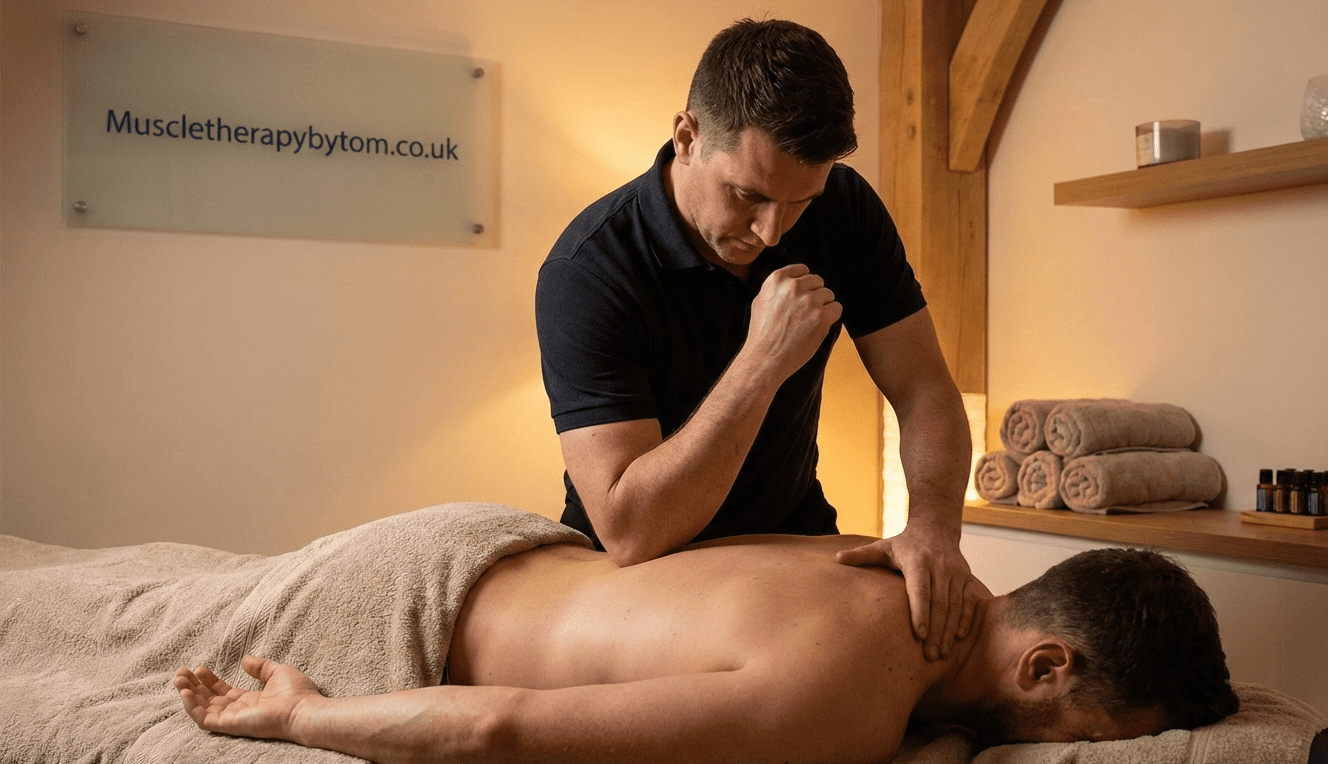
Deep tissue massage targets deeper muscle layers for pain relief and recovery. It’s ideal for chronic issues like sciatica and shoulder pain, available at clinics like Muscle Therapy by Tom in Slough.
What Is Deep Tissue Massage?
Deep tissue massage focuses on inner muscle layers, tendons, and fascia using firm pressure and slow strokes. Unlike lighter Swedish massages, it applies intense techniques with fingers, fists, forearms, or elbows to break up knots and adhesions.
This therapy addresses chronic tension from poor posture, injuries, or overuse, promoting long-term healing rather than just surface relaxation. Therapists at Muscle Therapy by Tom, customize sessions for optimal results.
Key Benefits
Deep tissue massage reduces chronic pain, improves circulation, and enhances flexibility. It releases muscle spasms, lowers inflammation, and boosts mobility, especially for sciatica by easing pressure on the sciatic nerve.
For athletes or gym enthusiasts, it aids muscle growth by increasing blood flow and reducing tightness, supporting strength gains post-workout. Regular sessions also lower stress, improve range of motion, and prevent future injuries.
Clients in Slough report relief from shoulder pain and everyday tension through targeted therapy.
How It Differs from Other Massages
| Massage Type | Pressure Level | Focus Area | Best For |
| Swedish | Light to medium | Surface muscles | Relaxation, stress relief |
| Deep Tissue | Firm to intense | Deep layers, fascia | Chronic pain, knots |
| Soft Tissue | Moderate | General muscles | Everyday tension |
Deep tissue penetrates deeper than Swedish, using slower strokes for structural issues, while soft tissue remains gentler. Choose based on pain level—deep for targeted relief.
Techniques Used
Therapists start with lighter pressure to warm muscles, then apply deep strokes on trigger points. Common methods include stripping (long gliding strokes), friction (circular motions to break adhesions), and compression.
In Tom’s clinics, sessions last 60-90 minutes, focusing on areas like lower back for sciatica or upper traps for shoulders. Tools-like elbows target hard-to-reach spots safely.
Who Benefits Most?
Ideal for those with sciatica, shoulder pain, or muscle tightness from desk work or sports. Athletes gain from better recovery and growth; office workers ease postural strain.
It’s effective for piriformis syndrome compressing the sciatic nerve, improving flexibility and reducing spasms. Not for acute injuries—consult first.
What to Expect in a Session
Expect an initial assessment of pain areas and health history. The therapist warms muscles lightly before deepening pressure; discomfort is normal but speak up if excessive.
Sessions at Muscle Therapy by Tom, end with stretching for integration. Post-massage, drink water and rest to flush toxins.
Potential Risks and Side Effects
Soreness, bruising, or tenderness lasts 1-2 days, like post-workout ache. Rare risks include nerve damage or clots for those with clotting disorders—avoid if pregnant, recent surgery, or skin issues.
Rhabdomyolysis is extremely rare with proper technique. Always disclose medical conditions.
Deep Tissue for Specific Conditions
Sciatica Relief
Targets piriformis and glutes to release nerve pressure, reducing spasms and inflammation. Improves mobility; multiple sessions yield best results.
Shoulder Pain
Breaks upper back knots, enhancing posture and range. Frequent for desk workers in Slough.
Muscle Growth
Boosts circulation for recovery, aiding hypertrophy in gym-goers.
Why Choose Muscle Therapy by Tom
At our clinic, expert therapists offer tailored deep tissue sessions Personalized for sciatica, shoulders, or growth, in a serene setting.
Local demand high; book for transformative relief.
Preparation Tips
Hydrate well, avoid heavy meals, and wear loose clothing. Inform about injuries; arrive early.
Aftercare Advice
Rest, hydrate, apply heat if sore. Light activity helps; avoid intense exercise for 24 hours. Soreness fades quickly.
FAQs
Is deep tissue massage painful?
It can feel intense on knots but shouldn’t be unbearable—communicate with your therapist.
How often should I get deep tissue massage?
Weekly for acute issues, bi-weekly for maintenance.
Can deep tissue massage help sciatica?
Yes, by releasing muscle tension on the nerve, improving mobility.
What’s the difference from Swedish massage?
Deeper pressure for chronic issues vs. lighter relaxation.
Are there risks for beginners?
Mild soreness common; avoid with clots or infections.
How long do benefits last?
1-2 weeks; regular sessions extend relief.
Can it aid muscle growth?
Yes, via better blood flow and recovery.
Is it safe during pregnancy?
Consult doctor—often not recommended early on.
What if I’m bruised after?
Normal; ice and rest. Persistent issues? Follow up.
Where in your clinic in Slough?
Our Location is 117-119 Whitby Rd, SL1 3DR for expert care.