Updated: September 2026 Posture does not directly “control digestion”, but body position can influence some digestive symptoms — especially gastro-oesophageal reflux. The strongest evidence is about reflux position and activity, not the idea that slouching causes...
Have you ever noticed that your body feels slightly off-balance, such as one shoulder sitting higher than the other, or that you experience recurring aches without an obvious cause? These can be signs of postural imbalance.Postural imbalance is not simply about how...
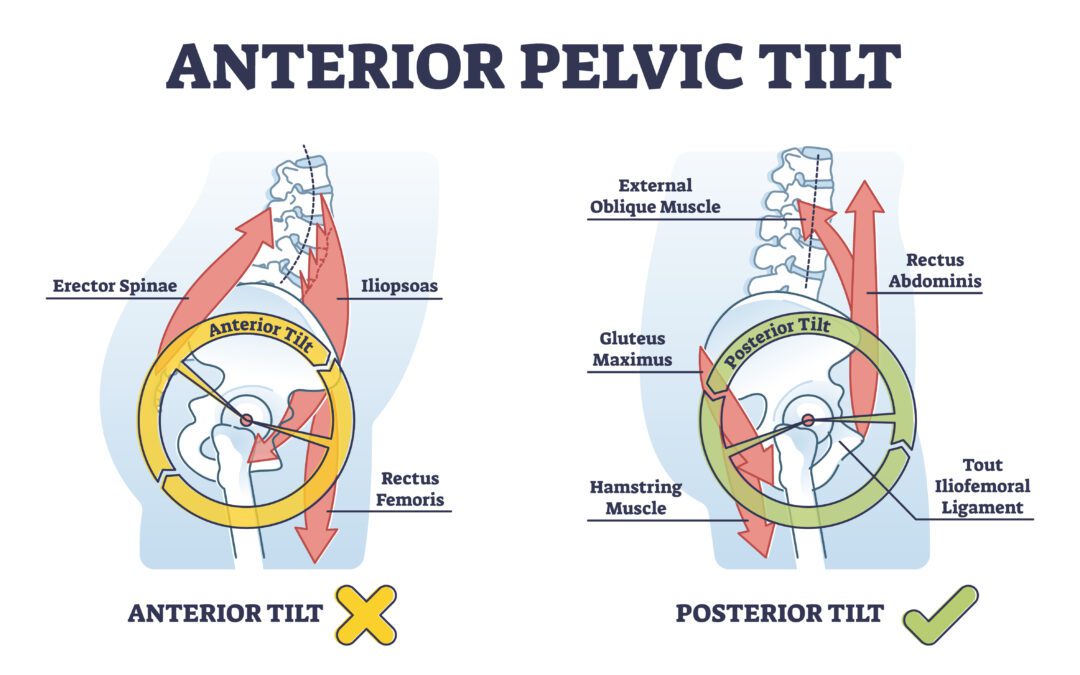
Updated: September 2026 Anterior or posterior pelvic tilt is a normal part of human posture and movement. Having a visible pelvic tilt does not automatically mean something is wrong, and current evidence does not support calling pelvic tilt a hidden cause of most...
Updated: September 2026 Body position can influence breathing mechanics, but “poor posture” is not a diagnosis and massage does not improve lung function in the way respiratory treatment does. Some positions may make a deep breath feel easier or harder, particularly...
Updated: September 2026 “Tech neck” is a popular term for neck and shoulder discomfort associated with prolonged phone, laptop or gaming use. It is not a formal diagnosis, and current research does not show that one specific head or neck posture directly causes neck...
Updated: September 2026 “Poor posture causes pain” sounds simple, but the evidence is more nuanced. Certain positions can be uncomfortable, especially when held for long periods, yet there is no single perfect posture that prevents back or neck pain. For most people,...