Updated: September 2026 “Muscle memory” is not memory stored inside the muscle. In sport, the term usually describes motor learning: the nervous system becoming more efficient at coordinating a movement through repeated practice. Massage does not create muscle memory...
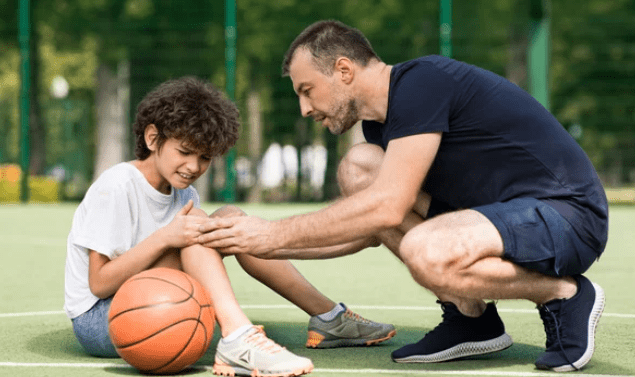
Updated: September 2026 Sports massage can be appropriate for some adolescent athletes, but it should be adapted to age, development, symptoms and training load. It should not be presented as a proven way to prevent injuries or allow a young athlete to keep training...
Updated: September 2026 Cold-water immersion and sports massage can both reduce post-exercise soreness, but they work differently and neither is automatically the best choice after every workout. The right option depends on your training goal. If you need rapid...
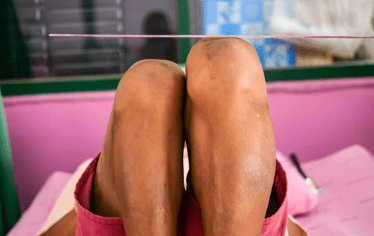
Updated: September 2026 A leg-length discrepancy (LLD) means one leg measures differently from the other, but small differences are common and do not automatically cause pain. Larger structural differences can affect gait, while apparent or functional differences may...
Updated: September 2026 Massage timing matters because the goal before competition is different from the goal afterwards. Pre-event treatment should avoid leaving you sore or overly relaxed, while post-event massage is mainly about comfort, soreness and perceived...
Updated: September 2026 Football, basketball and rugby place different demands on the body, but sports massage has the same basic role across all three: it may help soreness, muscular tension, flexibility and perceived recovery. It does not directly improve sporting...