Updated: September 2026 Massage has not been shown to directly make athletes react faster. Reaction time depends mainly on sensory processing, attention, anticipation, decision-making, coordination and sport-specific practice. Massage may still have an indirect role...
Updated: September 2026 Deep tissue massage does not directly build muscle or increase strength. Muscle growth comes primarily from progressive resistance training, adequate protein and energy intake, sleep and recovery. Massage may still be useful for lifters because...
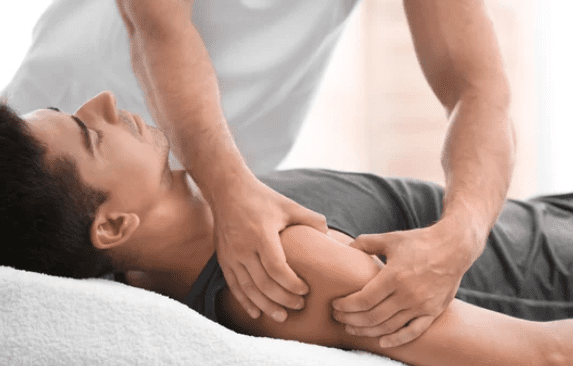
The Overlooked Key to Peak Performance Athletes spend countless hours improving their training, nutrition, hydration and recovery strategies. However, one important part of recovery is sometimes overlooked: recovery massage. Think of your body like a high-performance...
Updated: September 2026 Dynamic and static stretching are both useful. The better choice depends on the goal, the duration of stretching and what you are about to do. Dynamic stretching usually fits well into a warm-up because it combines movement with preparation for...
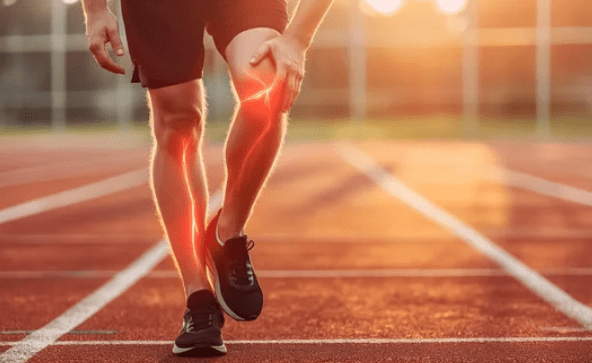
Updated: September 2026 Massage can help runners with muscular soreness, perceived tightness and short-term flexibility, but there is no good evidence that massage itself prevents common running injuries. Running injuries are usually multifactorial. Previous injury,...
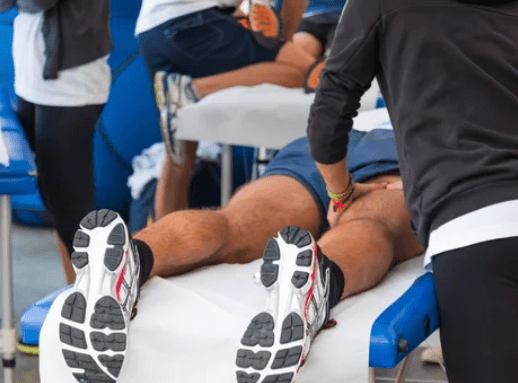
Updated: September 2026 Sports massage is often marketed as a way to improve performance, but the evidence is more modest. Massage may help delayed-onset muscle soreness (DOMS), flexibility, relaxation and perceived recovery. It does not reliably increase strength,...